Eric Fleischman is a film producer and entrepreneur.
After graduating from USC, Eric began interning for Blumhouse Productions.
He eventually worked full-time for them as an Executive Assistant.
He became a producer at EBF Productions.
Four years later, he joined Diablo Entertainment and started producing for them.
While at Diablo, he produced Carnage Park and Sleight, both of which premiered at
the Sundance Film Festival in the same year.
This made him one of the youngest producers to premiere two feature films
at the Sundance Film Festival in a single year.
He focuses on microbudget films and his bets usually pay off.
In 2017, he produced Flower, which was acquired by The Orchard.
In November 2017, he co-founded and became CEO of Defiant Studios.
Eric was in the Forbes 30 Under 30 for 2018 in the 'Hollywood & Entertainment' category.
I had Eric on my podcast a little while
ago to talk about movies and basically his entire approach to career.
He's skipping a lot of the traditional Hollywood ladder by doing smaller productions.
"SMALER" cause they're still multimillion-dollar productions that he's doing.
So I wanted to have him on the podcast and here is the best of
that conversation with Eric Fleischman.
First thing I asked was - How did Eric get
two films into Sundance in the same year?
Eric: You know when when I was part of Diablo,
the world was - make an independent film and then pray to the movie gods that it gets
into a film festival and you know Carnage Park and Sleight were made for
the same budgets, which were each of them was $250,000 and so I think we were
amongst the smallest budget movies that were accepted and I just I think most
people think that those small movies don't get accepted into major festivals
like that, so it was surreal because we got accepted.
How it works is that someone from the program calls the producer saying - 'Can I talk to the director?'
and the first time it happened I was like looking for Mickey Keating
Mickey had directed Carnage Park so you're like 'Mickey, what's this regarding?'
You could talk to me. I was like okay, they call Mickey, Mickey calls back like
"We got in" like Oh my god! And then the next night someone else calls like "We're
looking for JD Dillard who directed Sleight" I'm like "You could just tell me
Just tell me what's happening". Yeah but it was you know, it was surreal to have
you know not only two films but two very very very different
films in the festival you know, Carnage Park is basically a grind house thriller
and Sleight is a grounded sci-fi action film as it were.
- We talked about how he splits his budget.
Eric: You know, the cast is getting, if you're two and
fifty thousand dollars or below, you're sag ultra-low budget. Meaning your
cast is getting hundred twenty-five dollars a day. Which is basically they're
working for free. And your crew is working for minimum wage, so you're
getting kids who are basically right out of school. Right that's sort of
just the the main demo you're getting. You're getting young, hungry, just
recently graduated film students, who have equipment and at once that you're
getting talent who doesn't have to be necessarily be most notable talent in
the world, but people who can pull off the movie and you're shooting that movie
in you know 15 days or less, you're not permitting anything. You're not really
asking for permission to shoot anywhere. You're stealing most things that you're
shooting and you're trading and all of those favors that you've
accumulated over the years for this one movie in the hopes that you don't ask for favors again.
-We talked about how Eric finds his financiers? How he gets his money.
Eric: The sales team for Ritual is renting space from a landlord on
Cahuenga named Sean, who was an attorney who wanted to get into film and they
were like "Hey, our landlord wants to get into film finance and production and we think
that you guys would get along". So they introduced Sean and I together. Sean & I
got along famously, and he was like "Look you know, I'll give you, I'm really
interested in what you're doing" I was 23 at the time and I had just
wrapped production on my fifth feature film. So I was like - I know what I'm doing
in this space. The budgets I was working into that rate was like, you know
$300,000 or so and he was like "Okay look I'll give you half of that. I'll give you
$150,000 to make a movie. If you can make a movie with that amount of money, I'll give
you more". I was like "Done". So I like immediately went back to in search, because
I was among my connections I was like -Do you guys have anything that you're
not that maybe you have that you're not making anymore and like well you're you
know, the guy who oversaw you over here Darrel Wheat has this small film called
Recovery that we were gonna do that we're not doing anymore.
So I basically went back to like one of my old boss and I was like "Hey
remember this movie that you had? How about making it?" He said
"What?" I'm like "Yeah, I'll produce it for you" and Darrell's like "I don't think that"
H was like 12 years older than I am. Not gonna listen to like. "I'm not 12 years old"
and so we made Recovery, that was the sort of the first Diablo movie. We made
Recovery for a hundred and fifty thousand dollars.
-Eric talked about the crew.
Eric: To me in this world, your crew is the most important thing that you can
keep consistent. Your crew, the more they work and they work on other jobs, their
rates go up and so if you want to maintain quality or if you want to
increase quality, the first place you start is your crew. So if I were to if
you were to say "Eric let's make a two hundred thousand dollar movie today"
I'd be getting kids who are 18, 19, 21 years old, maybe still in film school, who don't
really have the experience, that would be dying just to make a movie just the
accredit and the movie would be okay, but it wouldn't be great. So when you
spend more money, again within reason, you're not spending millions and millions
of dollars but let's say you're spending and making movie for $800,000 compared
to a 250K film, the difference is Insurmountable because you're getting a
quality of film. So here's the math really ready? let's do this. If I can
make a $250,000 film looks like I spent 1.5, I can make an $800,000 film look
like I spent 10 mil. So I'm hedging my bets I'm saying -Someone's gonna see
this film and think I spent 10 and they're gonna offer me 2 and that's
more than doubling what I made it for. I can't do that on $200,000 because you're
getting people you know who quite frankly are not as experienced as other
crews, the cast's are getting are not going to be anybody that you know at all,
Who're just fine, you don't think its recognizable casts, but I think it's
important to get some people of you know familiarity in your in your movie if you
can if you can't, is totally fine.
Eric talked about -Knowing what people are buying.
Eric: You've to look at what buyers are buying movies for, and it's
rare, it's not impossible but it's rare to get someone to buy a movie for seven
figures or above right? You look at Sundance this year Assassination Nation
sold for 10 which, you know, they profited on and Searching which was made by two
of my friends Sev & Natalie. Fantastic movies in theaters right now, searching I
don't know what it was made for but knowing them, it was made for less than
what they sold it for, and they sold it for mid seven figures. And it's going out
wide this weekend. You know, films like that will break out and those are the
successes, but what you can't do is, you can't say to yourself rightfully 'Well
you know, Assassination Nation sold for ten and look who's in that movie? I want
to make a movie for seven and sell it for ten' It's like that's a rarity right?
It's more common that someone buys your movie for a mil a
mil and a half on like a good day, if you know what you're doing. You have the
right projects and you've studied the marketplace, you're not just coming in
being like "Wow! Make a movie and I'm gonna just do a movie about this"
It's like why? I could I think. It's like that's not you know, you have
to educate yourself and what people are buying, what audiences are watching and
that's sort of the hardest part, then we talked about timing. Timing is a huge
factor of it. Had certain political events not occurred in the past few
years, It would get out have been such a splash. I don't know what my philosophy is and
I hate to say it but I think had Trump not won the presidency,
I think La-La-Land would have been a flop. Just because like people. But if you
think about it, not that the movie is not good, I loved the movie but people needed
happy ending movies immediately after that. You know, it was sort of
this very sudden. Like Get Out, I think Get Out's ending was changed and I think
they made it so that he survived because there is this need for, its timing.
It's the right creatives getting behind that script and realizing what it is.
So it's a right time, right place, right opportunity, right amount of money,
right everything and then right kind of releasing and there's been films that
have had part of that come together and then it's maybe a bad time to release.
That's like a huge thing that major films suffer from is you know bad
release windows. When a film gets released and suddenly it's like, 'Oh wait,
we're up against this movie and that was a bad idea' or a mediocre film will be
released in a great window it'll make a lot of money because there was nothing
else coming out and everyone's going like - 'Oh'. Now everyone thinks that this
movie should get made again and it shouldn't, it just had a great window of
opportunity but there was because there's nothing no competition.
-I wanted to know what roles on the crew or in the cast Eric finds most important
Eric: Because when you're an indie filmmaker and the budget is small, you only have a few
people that you can really splurge on and everyone else is gonna have to work
for very low or free. I think you'd want your DP,
you'd want your gapher. It depends what the movie is. Maybe production designer
unless you're shooting in less locations or like basically come as is.
And that's all you need. An editor, you draw like a phenomenal editor, maybe a
lead, and you put more money towards a lead. It's really up to you, you know.
We're luckily at a place where we don't have to make those types of decisions
and I think it depends on the type of movie. If you're doing a genre film, then
definitely sound design, editing, your your DP, a gapher and production
design are gonna be important. Or like even I would say even like your
practical effects, if you're doing a drama, I would say cast DP, maybe casting
director because again you need a little bit more of that. So it's an even
flow I think of depending on what you're making.
- Then I talked about trying new genres.
Eric: But yeah, for the most part you know we're cranking away, we were wrapped
production on the film called John Henry two months ago with Terry Crews and
Ludacris. We're in production phobias now, we have a production going seven weeks
from now called Rise that we're very excited about. We're shooting partly here
and partly in Africa. And then a few more films that'll take us in to top of next
year. We're busy and again like every, I encourage everyone listening it's
Even at this level and this level being still relatively small, you know
we're so making micro budget films it's important to constantly sort of be
pushing yourself and trying new things and trying new genres and experimenting.
And also refining what you know, what I consider my formula you know what
make, what works what doesn't work because when you get into the type of
films that we do which i,s you know we make three, four or five a year, it's
super important to keep that lineup diverse not only from a filmmaker
perspective but also from a Content perspective.
If you want the full conversation, you want to hear that whole podcast with Eric Fleischman
That's down in the description below. Alex Berman podcast is on Spotify and iTunes.
If you liked this video, I'd love if you could share it with a friend.
We're trying to grow the subscriber count and besides leaving a comment,
besides leaving a like I think even more important if you feel like you need to
help this channel out is sharing this video and that's simple. You can go to
your email or Facebook Messenger or whatever, pop a link to this video, there
and say "Hey, saw this video recently about indie movie production and thought you'd find value in it"
And then leave a little link there, hit send.
Friend is gonna watch it. Hopefully they like it too.
Thanks for watching the video. I'm Alex Berman.


 For more infomation >> How to make flowers with paper | Paper flowers making step by step | Paper flower craft - Duration: 8:57.
  For more infomation >> EVERYBODY MAKE SOME TIK TOK WITH CHRISTMAS SONG #MakeSomeTikTok - Duration: 10:30.
  For more infomation >> How To Make Roast Beef with Shallot Jus, Horseradish Sauce, Watercress and French Bread By Rachael - Duration: 3:43.
  For more infomation >> Larva Make up & Gum - يرقة المكياج واللثة Part 2 - Isaac Scott - Duration: 2:14.

 For more infomation >> Small changes can make big health changes - Duration: 2:49.
 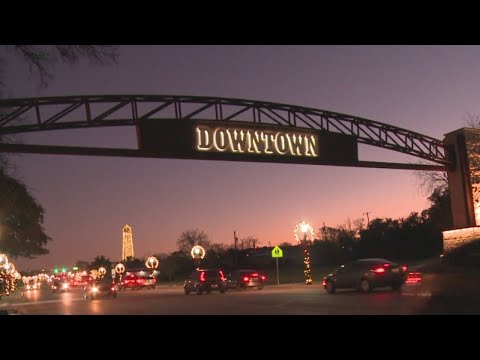 For more infomation >> Round Rock may make downtown businesses turn down the music at night - Duration: 1:41.
  For more infomation >> CSR Racing 2 Hack - How To Make Free Cash Money and Gold in CSR Racing 2 Cheats - Duration: 3:45.
 For more infomation >> मटर पनीर पुलाव। Matar Paneer pulao recipe - How To Make Matar Paneer Pulao - Duration: 6:19.
  For more infomation >> 처음느낌 그대로! 다시 뽀샤시해지는 수정메이크업! (국승채 MAKE UP) - Duration: 11:20.
  For more infomation >> Crystal Gayle - Till I Can Make It On My Own (Solid Gold) - Duration: 4:21.


Không có nhận xét nào:
Đăng nhận xét