okay so my name is Paul Godsmark I'm with the Canadian Automated Vehicles
Center of Excellence or CAVCOE we basically try and help people understand
the socio-economic impact of autonomous vehicles and how that will affect their
operation and business models and I'm delighted to be a moderator on this panel
as we discuss this autonomous vehicles are we ready are we ready indeed just a
quick few words of introduction you already got introduced to our panel
members so Daryn put your hand up please Kenny and Timothy so I'm going to
ask them to say a little bit about themselves later on and after I've
finished speaking I'll ask Timothy to just give us a quick
I think a 10 minute presentation an overview of autonomous vehicles so for
me my passion around autonomous vehicles it started about seven years ago and
it's when I realized that the fact that a car if it can drive itself is going to
have a fundamental impact on society and it took me about six months of thinking
about this to to realize just how profound that change will be just
because a car can drive itself and how close are we
the answer is incredibly close the Waymo a company that has spun out of
Google they've been doubling down on basically
saying they are going to start commercial operations down in Phoenix
this year so this isn't science fiction this is going to happen this year and
the expectation is it could roll out quite quickly so some more context
autonomous vehicles that the whole transportation and mobility sector is a
10 trillion dollar global sector according to a Morgan Stanley estimate
that is some five times bigger than the smartphone sector so it's no wonder that
some of the biggest companies in the world that were created out of that
smartphone and social media sector are now rushing into and getting involved
with the autonomous vehicle development if there's a there's a huge land grab
taking place at this at this moment in time and we estimate at
CAVCOE that in than in about 15 years autonomous vehicles will be about
20% of the economy so it's not going to be generating GDP but it will be
replacing and disrupting many of the businesses that currently make up 20% of
the economy in mobility so that's it's it's it's all on everything about
autonomous vehicles is on a big scale the similar scale is the Internet in
terms of how it will impact our lives it's also worth noting that autonomous
vehicles are basically sensors on wheels at the moment those sensors are
dedicated to the driving task but once that driving task is solved and you have
spare compute power on your vehicle onboard your vehicle what else are those
is going to be done with that data and the sensors are picking up all of this data
everything in the world around us what does that mean
anonymous vehicles are also the first autonomous system that we're
likely to experience in our everyday lives our autonomous systems will result
in robots autonomous robots robots in our homes robots working out in the
world doing manual work and other things so whatever happens with autonomous
vehicles we need to follow very closely because very soon after that the
autonomous systems and autonomous robots are coming the benefits of autonomous
vehicles have been talked about a great deal we're expecting huge safety
benefits I don't know if you know this but 2 to 6 percent of Canada's
economy depending on how you measure it actually goes towards the privilege
of us all being able to crash our cars and that's frightening but 2 to 6
percent of GDP is tied up in car crashes emissions we're expecting autonomous
vehicles in cities in particular to be electric and that's going to see a
massive reduction in emissions and apparently 32 percent of us according to
one study in Canada live so close to a road that our our health
is materially affected it's taking several years off of our lives
autonomous vehicles are going to save us time if we're not a slave to the
driving task then what can we do with that time you know are we going to be
watching YouTube cat videos for instance and congestion if everyone owns an
autonomous vehicle and the 30 percent of us that don't have a driving licence can
now own an autonomous vehicle it will be a dystopian hell there will be so many
vehicles on the road it would be terrible congestion but hopefully Lyft
and others will tell us about transportation as a service and the fact
that we won't want to own a vehicle anymore in which case one autonomous
vehicle could replace maybe five or six private vehicles and if we ride share
there could be less vehicles on the road and it could be a utopian scenario we
don't know how it's all going to play out so autonomous vehicles are
going to affect how and where we live and work and they're going to change our
business models and operational models how we do business and every single one
of us says in this room is a stakeholder and every single organization so what
I'll do now is I'll hand over to Timothy he's going to give us a ten minute
presentation and then we're gonna have a panel discussion and then have some
questions from you afterwards so Timothy
all right thank you very much Paul and thank you to Innovate BC and everyone
here at BC Tech for inviting Lyft to be part of this panel really excited for
the conversation today my name is Timothy Burr I handle our
public policy for Lyft for all the West Coast and I'm responsible for our
British Columbia engagement we're trying to bring Lyft to Vancouver and BC in
2018 want to talk today about one question that we're here to answer
which is are we ready for autonomous vehicles I'm going to talk from a
consumer perspective and look at all the indicators from the growth of
ride-sharing over the past five or so years that that show really set the
foundation for why consumers are ready for AV I'm going to talk about our
vision for deploying autonomous vehicles and also talk a bit about what it's gonna
take to get there and talk a little bit about you know what it means for our
communities or cities and a little bit on the regulatory side so if you don't
know Lyft Lyft was the first peer-to-peer company peer-to-peer
ride-sharing company founded in 2012 in San Francisco was actually the second
peer-to-peer ride-sharing company that our co-founders John Zimmer and Logan
Green founded they had founded Zimride in 2007 then sold that and began Lyft
with the seed money in 2012 it was founded with a simple mission and that
was to improve people's lives with the world's best transportation and really
to fundamentally get people to think differently about car ownership and
empowering them to perhaps think about and consider living a car-free or car
light lifestyle we are the fastest-growing rideshare company in the
United States I'm excited to report that just this week we announced 35 percent
market share across the US with over 40 percent in in some major cities in the
US so Lyft was really born with that vision but it was actually born out of
a frustration and that was how we utilize our cars one of our co-founders
grew up about LA and other than Hollywood I think the other thing
everyone knows about LA is how bad traffic is really truly wanted to create
a company where you can help resolve this problem our cars are the
second highest household expense we spend more on car ownership a year than
we do on food so other than your housing itself we spend way too much money on
average in the US it's $9,000 per family per car it's actually higher here
in Vancouver and it's a massively underutilized asset our cars are spent
parked 96% of the time and when we do decide to drive 80% of the seats
in the vehicle are vacant it's a fancy way of saying we like to drive by
themselves and we all by ourselves and we all know what the result is it's
congestion and all the the different issues without you know filling up those
seats in the car so in today's world not just in
transportation but in many industries we're seeing that you no longer need to
own something in order to enjoy the benefits of it I don't own CDs it's
been a while since I have if my Spotify isn't working I start freaking out I use
I stream music when it comes to DVDs or watching TV shows we have Netflix we
use these streaming services and so we're getting used more more and more
used to not having to own something to enjoy the benefits from it here in
Vancouver the number one car sharing city at least in North America if not
the world folks are starting to see that you can actually you know pool these
resources together for us ride-sharing has really been the harbinger of a
larger change which is the shift from having to own a car to being able to
utilize transportation as a service and this is absolutely critical to the
development of autonomous technology so when do we see this happen you see it
when reliability affordability and just the experience of being able to ride in
a car and the convenience all match you know levels of what you'd expect
with your own car ownership or exceed that for Lyft users over 50% of our
users tell us that they drive less or use their personal car less because of
Lyft and in 2017 almost a quarter million passengers told us they actually
stopped using their cars because of the availability of Lyft when you're able
to to get to those those levels and transportation of the services make
sense and what we see for autonomous technology is tremendous benefits for
consumers overnight this has 90 but it's about 95 percent of miles can be served
by on-demand electric self self driving fleets or autonomous vehicles
and it'll really bring down the cost of transportation as a whole so when we
talk about transportation as a service and what it means for autonomous
technology there's four main pillars I want to hit on today and that is
connected autonomous shared and being electric these are the four key paths to
deployment of autonomous vehicles connected so the Lyft platform is all
about connecting drivers and passengers we now are live across 95% of the United
States so 95% of the US population has access to Lyft and then
in December we launched Toronto really excited for that and Ottawa as well
we're now doing well over a million rides a day and we think of these as
Lyft as connections between driver and passengers so we know that people are
adopting and getting or quick to utilize the technology I mean it was not that
long ago that we at Lyft were trying to you know convince folks that it was safe
to share a ride with another sort of general member of the public who had
been through all the screening methods and you know it's it's been quick that
people have adopted and they found that this was a safe and fun way and
affordable and reliable way to travel so connecting rides is a key part of this
shift in consumers towards autonomous technology want to spend a few moments
here talking about Lyft's sort of dual strategies when it comes to the testing
and deployment of autonomous technology so we have what you can see on the left
side here is what we're calling our open platform so a lot of these providers big
companies such as GM or Drive AI Ford Aptiv Waymo Jaguar Land Rover nuTonomy
just some of the names these are all manufacturers folks who are developing
autonomous technology but we're pairing with them so that they can deploy that
technology onto Lyft's platform right people are used to using Lyft's platform
and these companies can partner with us and we're looking at partnership
opportunities really across the US and beyond and then the other side of our
sort of autonomous strategy is we are building our own self-driving system we
opened up a level-five Engineering Center down in Palo Alto
and they're really just you know focused on building our own system out
and we're really excited in March when we announced a partnership with Magna
now if you don't know Magna Magna is a massive tier one automotive provider
actually based in Ontario you know they get the benefits of working with a
company like Lyft that has over five billion miles worth of data and we have
the benefit of working with a really tremendous player in the automotive
space such as Magna so people ask when is this gonna happen what am I gonna be
able to try a ride and I didn't see a ton of hands go up
when asked if you've ever written in an autonomous vehicle you can do this now
on the Lyft platform if anyone's going to Vegas any time soon
we just relaunched our partnership in partnership with Aptiv an autonomous
company where we where right now it's operating at about ten properties on the
strip you can pull out your Lyft app and you can opt in and what you'll see is
what you see over on the right hand side which tells you you've matched with a
self-driving ride and you you really with safety drivers and everything but
you you right now are able to go experience this technology during CES
one of the other major sort of tech events on the west coast that was in
Vegas in January we ran a test with Aptiv and we did over 400 rides over
99% of those rides were in autonomous mode so no hands on the wheel and we got
driver ratings of four point four point nine nine out of five which we're
excited about and then we just reannounced that we're ramping up to over thirty
cars so this is really exciting and this is technology that you as a member
of the public can experience now so the shift to AV is not going to happen
overnight as the price of transportation comes down and transportation as a
service becomes something widely adopted we recognize that we're gonna have a
hybrid network it's going to be essential to the development of this
technology it'll be both human drivers on the Lyft platform as well as
autonomous vehicles and then a key component of this entire shift to
transportation as a service is going to be essentially carpooling and that is
making sure that these autonomous rides are shared
you know there's visions where everyone owns their own AV and and that's not how we're
seeing it at Lyft we're seeing this the benefits really to occur when people
are willing to share a ride and you know split that ride in an autonomous
vehicle people ask well would anyone want to share a ride with another member
of the public going along the same route and the answer is yes we have a product
called Lyft Line that we launched in 2014 it allows parties who are traveling
separate to split the ride and over 40% of our rides in major markets are
through Lyft Line so we're seeing consumers ready to adopt you know this
part of what will be critical to autonomous technology and that is
sharing a ride and then of course one of the pillars of developing autonomous
technology is doing what we can to make sure that these vehicles are
electric and have as minimal of an environmental impact as they can Lyft
just announced a major step towards this and we announced just last month that
we're going 100% carbon neutral through our carbon offsets program that we're
really excited about so by harnessing all these different
pieces and why are we doing this we truly see that if we work together on
this we can restore the vitality of our cities expand mobility for all and
really actually if you think about it if we spend less time having our cars
parked all over the place we have more opportunity to redesign some of those
city spaces if you take away some of that parking this is when we reimagine
some of these areas of our cities this is not far from my house in San
Francisco the foremost Central Expressway which is now a park in Hayes
Valley so just to conclude here are we ready for autonomous and I want to set
this up because a key question to that is are people ready for ride-sharing
because those regulations and the development of people utilizing the
services really do pave the way for autonomous here in in British Columbia
we're seeing from a margin of seven to one that Vancouverites are ready for
this next important step to adopt ride-sharing regulations and just want
to give a shout out and this is a coalition that has been built around the
development of those regulations and indicates that BC is not only ready to
embrace ride-sharing but also ultimately autonomous technology thank you
everybody look forward to this discussion
okay thanks thanks Timothy that's that's fantastic
so start with you Daryn very briefly please introduce yourself and how your
organization fits into the this autonomous vehicle ecosystem please okay
my name is Daryn Nakhuda I'm the CEO of a company called Mighty AI based in
Seattle and we provide we work with auto manufacturers and tier one suppliers and
startups on making sense of all the sensor data they're collecting in their
cars so we'll take the raw data for example from a dash camera and we'll
help label it so that the deep learning systems and the AI systems can
understand where there's pedestrians or lane markings or signs or any other
features that are required in order to keep the car on the road and Kenny same
again please Kenny Hawk CEO Mojio based here in
Vancouver and Palo Alto we're a cloud software company that is connecting up
the unconnected we launched just over a year ago have over 700,000 vehicles
connected on our platform over 7 billion miles of driving data and initially
we're connecting up the 1.2 billion cars that are already on the road and how we
play is if you think about autonomous and it's coming no doubt about it
but you want to make it safe and you want to make it better than what humans
can do so a better way to do that then to be able to use real live data with
real vehicles that are out there today that's step one step two is even when we
have a bunch of autonomous vehicles and say you know snap your finger tomorrow
there's a million autonomous vehicles it'd be really nice to know what that
autonomous vehicle is driving next to behind ahead of and share a little bit
of information that you've got a rapid braker or a rapid lane changer and then
last but not least I love Lyft I wish it was here and what I love BC
one thing missing here is Lyft but Lyft drivers are putting Wi-Fi in the car and
getting more tips in a week than the Wi-Fi costs them in a month and letting
customers know that they can get more things done while they're in the car is
a great benefit awesome thank you and thank you for that shoutout
so again so my role with Lyft if it wasn't too clear I've been really
handling all of our local state or provincial or province wide engagement
with electeds and staff and leaders and over the course of when I joined Lyft we
had one state that had developed a set of regulations and now we're at 45 US
states you know we have regulations here in Canada that are in place out east and
then regulations that are being worked on really across the country it's been a
really exciting few years and you know the set up and working on those initial
ride-sharing regulations have really provided an interesting and fascinating
framework by which now we're revisiting you know with the same elected same
staff and talking about developing autonomous regulations and think now we
have about 21 states or so that have some level of autonomous regulations but
there's still a lot of work to do okay thank you so Kenny you talked about
safety safety I think is on a lot of people's minds I'm sure a lot of people
read the headlines that about the fatality involving an Uber autonomous
vehicle down there in in Phoenix so in terms of safety what do you think we
should do the more we regulate AVs to be safe the longer it's going to take to
get them here but in Canada about 2,000 people a year die on Canadian roads
every year so the longer we delay this technology that could potentially save
all these lives the more people will die whilst we're developing tech to save
them what is there what's the best way to balance safety and time of employment
anyone so I'll take a crack at that I grew up in Detroit my grandfather tried
to invent a seat belt in the early days before seat belts and you could not
imagine the pushback from the car companies on seat belts it's gonna add
another four dollars why would we spend that money if you imagine today without
seat belts and you look at every innovation since then anti-lock brakes
I'm not going to trust a computer to apply the brakes for me now we have in
every vehicle airbags is the airbag gonna go off when you're driving down
the road at 100 kilometres an hour today every car has airbags so it's coming
it's clear it's coming we just have to make it safe
and for me you know I think about how is this gonna change you know when you have
all this extra time you know and you look at an hour hour and a half in the
Bay Area per day you waste on driving what could you do at that time one of my
favorite books is Guns Germs and Steel by Jared Diamond and he talks about the
tribes that made it and the tribes that didn't and one of the big changes that
made tribes beat the other tribes was having enough time to stop and think and
do something productive and the big change was being able to store food
up until then you spent your whole day either killing or being killed or
looking for nuts or fruits or something to eat you had no time to do anything
else once the tribes learned how to store
food they could organize they could plan they could talk to each other get to
know each other coordinate better and they end up surviving when the other tribes
didn't so you think about getting back an hour or an hour half of your day what
else could you do to get that much time I think that's the biggest impact that
this is gonna have I think you should store nuts in your cars
in BC when you get them peanuts across the shelf Daryn any any thoughts on on
safety yeah I think one of the most important things is that we have to
continue this innovation so there will be setbacks and they're very serious but
we have to think about the amount of lives are being lost to human drivers
every year and the improvements that we're making so beyond ABS we're talking
about you know advanced driver assistance adaptive cruise control lane
keeping traffic jam all the places where as humans we get tempted especially in
this world where we all have our mobiles and we're looking at our phones to be
distracted you know we shouldn't do that but the fact that we are guarded now in
a way where when we are sitting in traffic for an hour we can we can have
confidence that our car can stay where it is and know about its surroundings
one of the key things that we do at Mighty AI is we we use humans to label the data
and find that's a really important step in having people make that judgment is
you know whatever a model or a computer or computer vision system says about
what's on the scene we have humans validating that and saying this is
correct or needs to be refined this was a mistake in that iteration in that data
is specific to locations especially because the human
behavior is very different in different parts of the world drivers in
Seattle versus Europe versus Singapore very very different I know in Seattle we
don't cross the street if the light is red or crosswalk is red certainly not
the case in a lot of places where you have to be more aggressive and so I
think that like that level of detail is going to need to be had before we truly have
safety and have this deployed worldwide and if I'm if I may I actually it's
interesting I think California which was the first state to develop ride-sharing
regulations actually said it best and this was way back in 2013 it's not that
long ago but they indicated that the goal of the first set of regulations was
to promote safety enhance safety while fostering innovations and being careful
not to stifle innovation I think that was you know very you know is a perfect
way to sort of cap and capture what we're facing now with respect to
autonomous technology then they were talking about you know all these new
mechanisms and levels of transparency and what is it like when you have all
this new information now when you're trying to obtain a ride or after you
have a ride all these new tools that technology enabled us to have and making
sure people felt you know comfortable and developing the technology and now
we're really seeing that with AV and I think you know what most the folks
engage in industry always remind ourselves is why are we doing this you
know in the US the thirty six plus thousand automobile deaths we have a
year over 90% of those being caused human caused or human error in some
capacity not to mention you know DUI and and and all those kind of incidents so I
think always trying to remind ourselves you know why we're doing this and how
critical it the future could be for preventing so many lives so many lives
from being lost is really important as we sit down to to figure out what these
regulations should look like thank you so with with all of us being
stakeholders and all of our organizations being affected in some way
what are what for you what would you say the developmental milestones the signs
the signals the accomplishments that will tell us
when this technology is coming and will give us an idea of how much of an impact
it will have on our lives I think we're already seeing it if you look at Waymo
and the deployments they're doing right now if you look at Voyage which is a
American company that is doing deployments within retirement
communities in the US like we're seeing an impact with people who
probably should not be driving anymore but to whom mobility is super important
it's obviously they can do rideshare but that autonomy and that ability to get
get in the car and get them where they need to go safely I think is a huge step
in that direction
I've got a neighbor who is 96 years old and she still drives and she just went
to get her driver's license renewed in California and they gave they did her
test she had her glasses she passed the written test took the road
test and they issued or a license for another four years and she came back to
them and she said are you out of your mind
I'm 96 and I'm not even gonna be alive in four years how on earth can you give me a
four year license and she honestly doesn't want her license taken away
until it needs to be taken away and so she actually loves the idea that her
seventy seven-year-old son is keeping track of how she drives and when she
starts driving erratically enough she will then be a only Lyft and Uber
passenger but she wants that freedom until she needs it and technology in
that sense is it's amazing it gives you freedom but it also gives you control
the time when it's gonna shift for me is when it's better than a human and that
is already today but much better than a human and I look at the adoption of
Alexa and as a disclaimer Amazon's an investor Alexa is loved by people
because it finally is good enough that it can actually understand what you're
talking about every voice technology before that was just not quite there
with driving if you're not quite there you're killing somebody so it has to be
much better than a human it can't just be equal to a human has to be much
better just to build off that I would agree I mean the real main shift we're
going to see proliferation of the technology is gonna be when it's you
know cheaper or just just the same cost-effective
just as reliable and you know great experience or better than which I
think a lot of us would agree driving your own car but in the short term you
know I think consumer adoption is going to be really important I mean as I
mentioned not that many people have had the opportunity to experience autonomous
technology and it's kind of funny when we had a test during CES in Las Vegas
the majority of the headlines and there were you know the majority of headlines
read something like this or the entry paragraph of the coverage was that was
so exciting for about 15 seconds and then I was just in the back of a car and I got
used to it very quickly and so you know for consumers it's gonna be critical
over the next few years you know get out there people in this room I assume are
early adopters on technology you know give it a try let friends and neighbors
and so hopefully that question that you kicked us off with Paul with have that
have you tried it like that's gonna be kind of the buzz of folks is have
they ever been able to try autonomous technology I will say I did ride in the
autonomous lift in at CES and it was very boring you know it was very
fascinating and completely uneventful and that was entirely
exactly what you want so it was a cool experience okay so I've been following the the news
across Canada whenever autonomous vehicles are mentioned and the one
characteristic of BC is that whenever autonomous vehicles get mentioned the
unions react strongly as I'm not surprised and are very concerned about the
impact on jobs how do how do you see the impact on jobs
well so our platform involves humans in the labeling process so okay you know
actively thinking about how people spend their time and you know one of the real
futures I see is not machines taking over humans but humans and machines
working together and so when you look at you know what do we do today that we
waste time on or that feel like rote tasks or very dangerous tasks those are
the ones that hopefully we can replace more quickly with machines and then
allow ourselves to add higher value be more creative spend more time doing
other types of jobs there is a report you know people will
lose their jobs now that will happen I think you know it's up to the the
governments in the industry to re-educate people kind of retrain them
into future future jobs and then I think you know you have to look at some of the
predecessors that we have so the ATM is a good example
you know when the the ATM the bank machine came out I think you know a lot
of people said well there's there goes all the big tellers and actually if you
look at the charts over time you know the 50 years after the ATM came out we
actually have more more tellers than than before and that rate's been growing
and the reason is because the cost of deploying a bank branch went down like
you no longer had to staff a branch with 18 people you could staff it with 8
people you could open two branches have better locations more approximate to
people and I think that kind of model shows that you know the flexibility that
in the power of the unlock of the technology we'll just you know
economically change how we how we do business so I grew up in Detroit
Michigan back when I had 2 million people today it has less than 800,000
people and they missed a market wave to lower smaller cars that were more
fuel-efficient they missed the technology wave Detroit's finally coming
back 30 years later but I'd hate to see any industry go from 2 million to 1
million and ignoring technology is not an answer and having the unions fight it
is not either I worked at General Motors my junior year of college building
engines took us almost 7 hours to build a six cylinder engine the same six
cylinder engine with almost the same design same specs a Hyundai plant in
America in Huntsville Alabama took 63 minutes
Union non-union everything else is the same you don't have a choice it's
happening and and from the from the Lyft perspective I mean obviously the first
question you know that's usually asked about the plans autonomous or well what
does this mean for your drivers you know and for us as kind of laid out I mean in
the well as we're building out a hybrid
network and we firmly see the path forward that we're gonna that drivers
will be a part of the Lyft network and we're gonna need more drivers and we
continue to grow day after day as more and more people
decide you know to get rid of their car and utilize these services and kind of
kind of something I want to hit on is it's not just about riding in a Lyft car
it's really empowering folks to select from a range of options every time they
take a ride or every time they leave their house the goal is to like allow
them to leave their personal car at home and so that means that they have more
opportunities to take bike share or car share or take public transportation
about a quarter of our rides in the Bay Area where we have the most history
start or end at a transit stop and so just you know there's there as we see
more and more people decide to use this technology we're gonna need more drivers
certainly over the course of you know the next decade or so and in terms of
just automation in general because it's not just AV I don't know if anyone
else has seen a lot of the like videos rolling around lately of like robots
jumping and doing some of this stuff that makes me slightly nervous this is you
know for all kinds of jobs I'm a lawyer by training you know I'm sure there's a
lot of folks who'd love to see AI technology replace attorneys in some
capacity and it's just a matter of you know understanding and educating people
now what the impacts on our workforce can be I think there's an interesting
role for government we're seeing this or you know all over the place where
governments are convening an important conversation of the future of the
workforce how are we making sure we're educating folks and making sure that
those you know training programs or retraining programs are available all
important parts of this conversation fascinating no one mentioned basic
income I'm a huge advocate of discussing basic income who in the audience here
is familiar with basic income and the experiment going on over over in Syria
ok quite a few of you so basically the government would just guarantee everyone
enough money every month to survive no more than survive but you wouldn't have
to worry about surviving do you didn't work in Finland
yeah well okay that was misreported there was some fake news going on there
which again is another subject of this can I just I want to share one other point
I've got a young son just turned 3 yesterday by the time he drives there's
going to be another billion vehicles on the roads you think about the evolution
from the early 1900's to now it's been a slow roll as a developed world has added
cars with their population growth now the rest of the world has gone from
walking to bikes to scooters to cars or some kind of vehicle
if you imagine another billion vehicles on the roads we have today we just
finished an analysis on our drivers in North America at the fastest area the
average trip speed is just over 30 miles per hour the slowest trip speed is about
16 miles per hour and these are trips are lasting 40 and 50 minutes 16 miles
an hour I mean you could go on a bike faster than that so how are you gonna
handle a billion if you don't put autonomous and you don't get
ride-sharing it's just no way we're gonna be able to handle it that's just
in the next 15 years ok so we've only got a couple of minutes
left one last question we're gonna solve the world's problems here what are the
key policies and regulations that need to be put in place to help us get the
best outcomes from AVs yeah I I think what we've seen right now are a
lot of testing regulations being put in place what do you also totally
fascinating though about some of the places where testing regulations were
put in places is you really have to build in I guess room for innovation
because the technology has been moving so fast like just to give the example of
California again in 2012 California was the second state after Nevada to pass
you know regulations for self-driving technology but you know those required
a drive not only a safety driver but a second person and a steering wheel and
all these things so it looked like a traditional car well by the time that
those the actual regulations had been developed after the legislation had
passed in 2012 it was you know just like 2016 or so and the technology had
advanced so fast that all the industry players were
already talking about level 4 and level-5 technology and wanting to be
able to test without a steering wheel without a safety driver and that we have
to prepare this technology to be able to handle real-world scenarios not just
testing you know in a private track somewhere so I would just say that that
leaving that room for innovation in the regulations is key go really fast really
simple one today in North America you have to drive your car produce smog to
drive into a smog station that plugs in a computer that reads digital
information that you could have just sent remotely and then you drive back to
wherever you went generating even more smog so you could be so certify that
your car is actually conforming it's ludicrous Toronto is testing it they're
about to approve it California Oregon are about to approve it why in the hell
should you drive and generate smog to get your smog tested when it could all
be done remotely the second is surge charging you
know Singapore in the center of the orchard it works when you want to reduce
the traffic you increase the surge just like Uber and Lyft do if you want more
people to carpool that's another way to encourage them so using dynamic pricing
as you get enough cars connected makes us all a lot easier smog and surging
very briefly I think the one other area that hasn't been touched on is data
privacy and I think when it comes down to policy there's gonna be a lot of data
about your behaviors while you're in a vehicle not just where the cars going
what's on the outside of the car what's on the inside of the car so if you're
distracted what you're doing and even beyond that it's all biometric data so
there may you know as we look at other ways that AI is gonna you know stare at
your face now you're staring your face in a car constantly and there's gonna be
a lot of information there so I think there will be policies I think a lot of
this is gonna be up to the industry driven because this is very advanced
technology but I think it's a big opportunity okay well thank you very
much all of you Daryn Kenny Timothy thank you very much thank you
thank you
 For more infomation >> At Least 1 Dead In 2-Vehicle Crash In Palms - Duration: 0:55.
 For more infomation >> Man found shot to death in vehicle in Newport News - Duration: 0:51.
 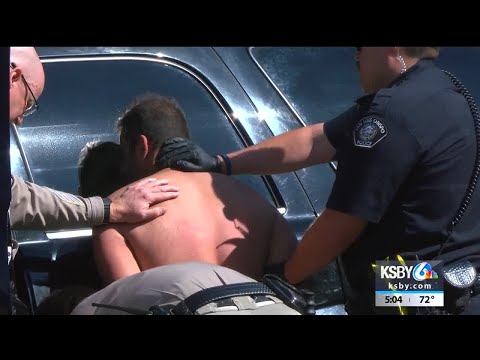 For more infomation >> Driver arrested after vehicle pursuit through San Luis Obispo - Duration: 0:58.
  For more infomation >> Identity released of driver killed in Hwy 46 crash involving military vehicle - Duration: 0:29.


Không có nhận xét nào:
Đăng nhận xét